Paragraph alcohol-removed Tempranillo bottle on a plain background

Tasting Notes

What the Glass Tells You

Crafted from Tempranillo grown at altitude — above 700 metres — in premium Spanish vineyards. All the character. None of the alcohol.

01 Aroma

Dark fruit & toasted oak.

High aromatic intensity from the first pour. Dark berry fruit unfolds alongside vanilla and toasted oak, gradually evolving toward more complex leather and tobacco notes.
Dark BerryVanillaToasted Oak
02 Palate

Layered & structured.

Ripe fruit, oak influence, and tertiary nuances, supported by fine, polished tannins. A light-to-medium body that is dry and balanced, with precision and length on the palate.

Ripe FruitTertiary NuanceFine Tannin
03 Finish

Clarity, definition, length.

The close delivers clarity, definition, and persistence — remaining unmistakably vinous in character. Dry, savoury, and composed. Alcohol removed. Wine intact.

LeatherTobaccoDry Finish
< 0.5% Alcohol by Volume Alcohol-removed
2–4 yr Base wine ageing Matured prior to blending
> 700 m Vineyard altitude Spanish high-altitude sites
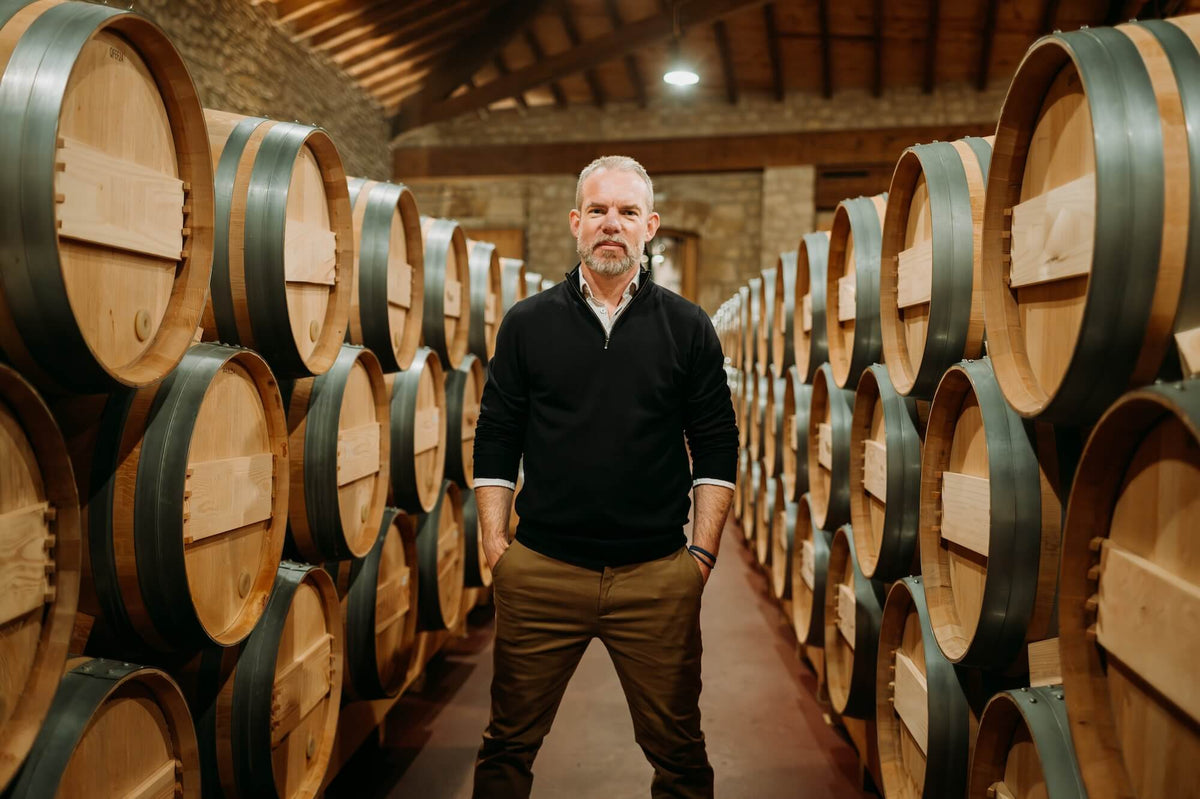
Duncan Shouler, Head Winemaker

The Story

Made by Duncan Shouler

Alcohol-removed wine is often defined by what is missing. I see it differently. The question is not what to remove, but what must remain.

V. How It's Made

How It's Unmade

We start with real wine — premium Spanish Tempranillo chosen for structure, then blended for harmony. Alcohol is lifted out at low temperature by vacuum distillation, aromatics are captured and returned, and the wine rests in bottle before it leaves us.

  1. 01

    Base Wine Selection

    Start with wines that are already complete.

    The foundation is premium base wines sourced from exceptional Spanish vineyards. Each wine is chosen through extensive tasting for aromatic intensity, precision, tannin quality, complexity, and structural depth — the traits that must survive alcohol removal intact.

    Origin Premium Spanish vineyards
    Altitude > 700 m
    Base wine ageing 2–4 years
  2. 02

    Blend

    Built for harmony, not replication.

    Old-vine parcels are folded in for natural intensity and structural integrity. Blending enhances harmony and aromatic depth. Without alcohol, balance has to be constructed differently — with greater precision, and greater intent.

    Winemaker's note

    "Blending plays a central role. I aim to build complexity and coherence — not to correct, but to compose."

  3. 03

    Vacuum Distillation

    Alcohol out, aromatics in.

    Alcohol is gently removed at low temperature using vacuum distillation — the most aroma-preserving method available today. An integrated aroma recovery system captures the wine's most delicate volatile compounds during the process and reintegrates them, so the wine retains its identity without any added ingredients.

    Method Vacuum distillation
    Final ABV < 0.5%
    Added ingredients None
  4. 04

    Bottle Rest

    Two months to settle.

    After dealcoholisation, the wine rests in bottle for a minimum of two months. Texture and aromatics settle. The expression balances. Only then does it leave the cellar.

    Bottle rest ≥ 2 months
    Residual sugar ~ 1 g / 100 mL
    Glass weight 400 g · 40% lighter

VI. Pairs With

What It Pours With

Savoury, umami-driven, and slow. Paragraph Tempranillo holds its own against the table — grilled meats, roasted vegetables, aged cheeses. Or, pour it on its own when the moment calls simply for a glass of red.

Grilled Lamb

Grilled Lamb

Aged Manchego

Aged Manchego

On Its Own

On Its Own

Details

The Particulars

Varietal
Tempranillo
Region
Spain
Vintage
NV
ABV
< 0.5%
Volume
750ml
Allergens
Contains sulfites

VIII. Questions

Asked & Answered

Four short ones. If something is missing, visit the contact page and we will update this list.

  • 01 Is this really alcohol-free?

    Paragraph Tempranillo is below 0.5% ABV, which is commonly recognised as alcohol-free globally. It is made from real wine — premium Spanish Tempranillo; the alcohol is removed gently at low temperature. It is not a grape-juice blend, and it contains no added flavours.

  • 02 How is the alcohol removed without losing the flavour?

    We use low-temperature vacuum distillation — the most aroma-preserving method available today. An integrated aroma recovery system captures the wine's most delicate volatile compounds during the process and reintegrates them at the end, so the wine retains its identity.

    After dealcoholisation the wine rests in bottle for a minimum of two months. Texture and aromatics settle into a balanced final expression before it ships.

  • 03 How long does it last once opened?

    Like any opened wine, Paragraph is best enjoyed within 2–3 days. Re-cap tightly and refrigerate after opening, then bring back to cellar temperature before pouring.

    Because alcohol is removed, the wine has slightly less natural preservative than a conventional red — so finish promptly for peak expression.

  • 04 How should I serve and store it?

    Serve between 14–16°C (57–61°F) — cellar cool, not cold. A standard red wine glass works well; allow a few minutes after pouring for the aromatics to open.

    Store unopened bottles on their side in a cool, dark place — ideally between 10–18°C (50–64°F), away from direct light and heat. Lying flat keeps the cork moist and the seal intact. Best enjoyed within 18 months of purchase.